From Silos to Studio: Merging Two Legacy Teams, Aligning Systems, and Building a Unified Creative Powerhouse
Pitney Bowes — Global Brand Systems

Role
Executive Creative Director, Global
(Pitney Bowes)
Scope
Global Brand Systems Governance, Production Standardization, Two-Team Organizational Integration, Asset Library Infrastructure, Multi-Channel Identity Compliance, AI-Driven Production Scaling, Self-Service Enablement, Strategic Studio Positioning
Tools & Platforms
Adobe Experience Manager (AEM), Adobe Creative Cloud (After Effects, InDesign, Photoshop, Illustrator), Salesforce Marketing Cloud, Workamajig (WMJ), Jira, Lumen5 (AI Video Engine), Generative AI Production Workflows, Canva, AlphaGraphics, Shutterstock
Background
To align our creative infrastructure with enterprise growth objectives, I was promoted to Executive Creative Director, Global, to lead a strategic restructuring—merging two separate internal creative arms (the Brand/SendTech/Financial Services team and the Global Ecommerce & Presort team) into a unified, high-performing global studio. In this expanded role, I spearheaded our strategic repositioning—transitioning the team from a reactive “Creative Services” order-taker into the proactive “Pitney Bowes Creative Studio.”
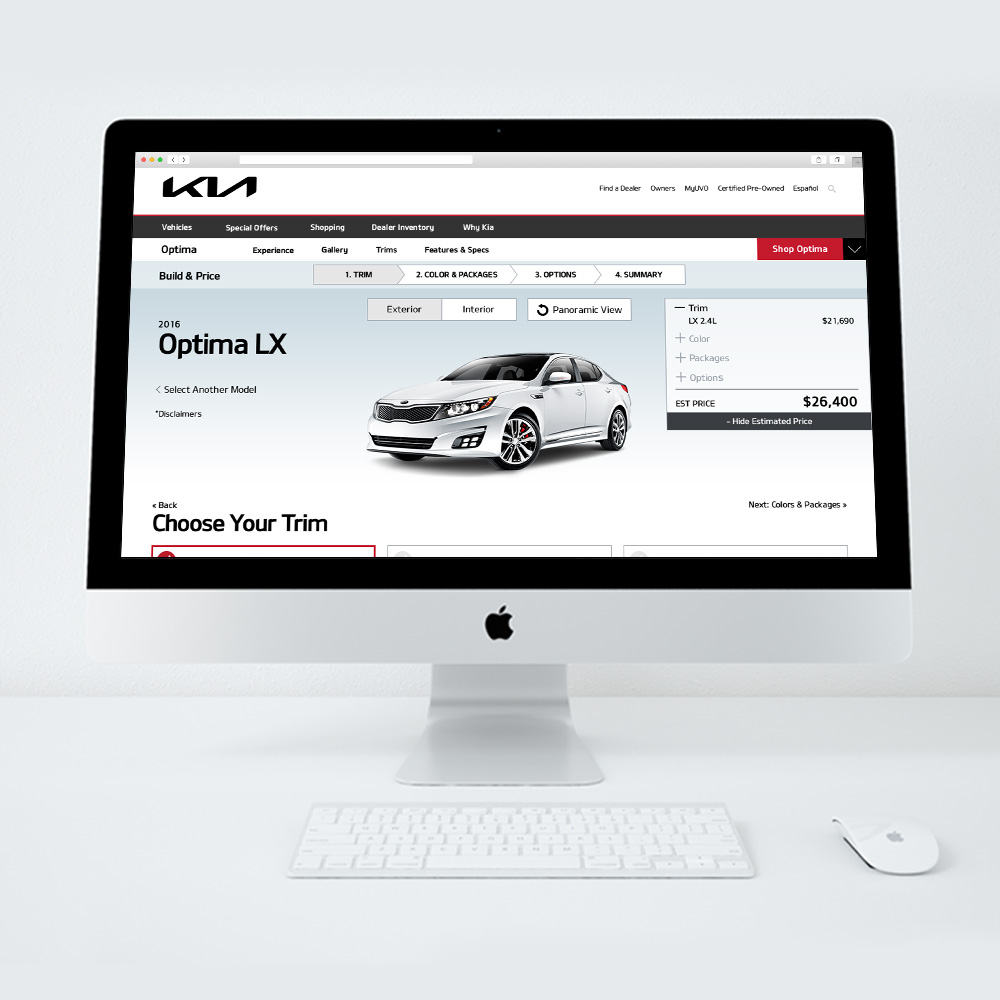
Simultaneously, I directed the enterprise-wide rollout, production architecture, and multi-channel governance of our global brand system—contributing to global design system standards and executing multi-channel identity alignment across software, web, print, and physical hardware touchpoints to maximize operational efficiency and commercial impact.
Because bringing together two distinct working cultures and legacy practices presented real organizational friction, the foundation of this transformation was empathetic leadership, trust building, and strategic prioritization. By auditing workflow challenges and solving operational bottlenecks for the team, I transformed two isolated groups into a unified creative powerhouse.
To safeguard brand consistency while scaling production across global business units, I built a governance model grounded in production-ready standards, AI-enhanced asset generation, and self-service enablement. By establishing strict visual, motion, voice, print, hardware, environmental, and digital compliance across every channel—and offloading low-complexity asset production through AI-assisted tools and automated templates—I ensured 100% brand integrity worldwide while freeing our core studio to focus 90% of its bandwidth on high-impact commercial revenue initiatives.
Part 1: Brand Systems Governance & Production Showcase

1.
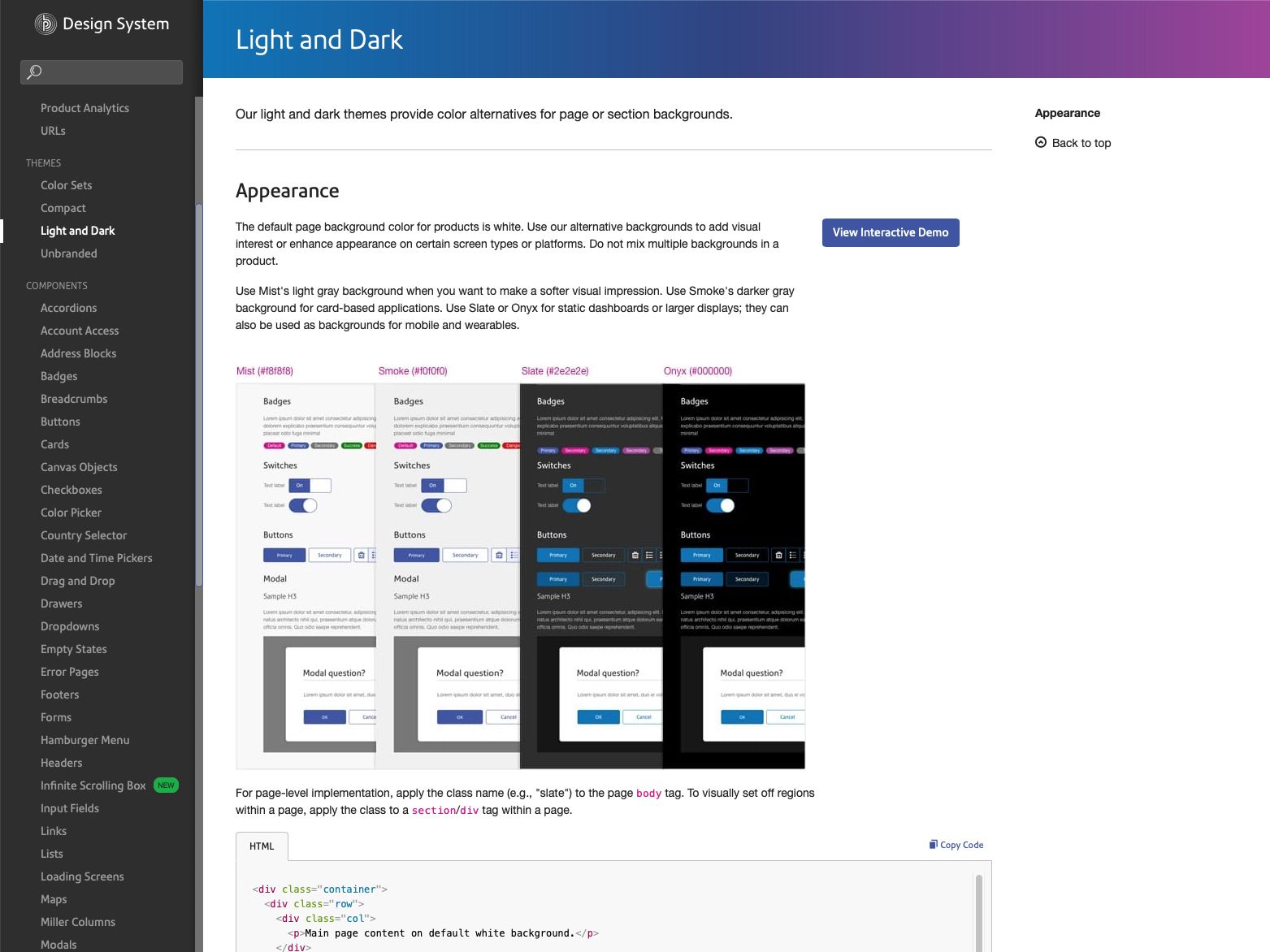
Enterprise Design System & Responsive Web Form Standards
Scaling unified brand expression across digital products and establishing global UI standards.
Design System Contribution
Contributed as a key lead in establishing global standards for responsive web forms, input patterns, and transaction flows across the Pitney Bowes Design System.
Product & Platform Scaling
Ensured design system patterns were implemented seamlessly across web, desktop, and software UI, creating a cohesive “One Pitney Bowes” experience across global product suites.
Production Deliverables
Form component libraries, responsive web patterns, accessibility standards, and design system governance guidelines.

2.
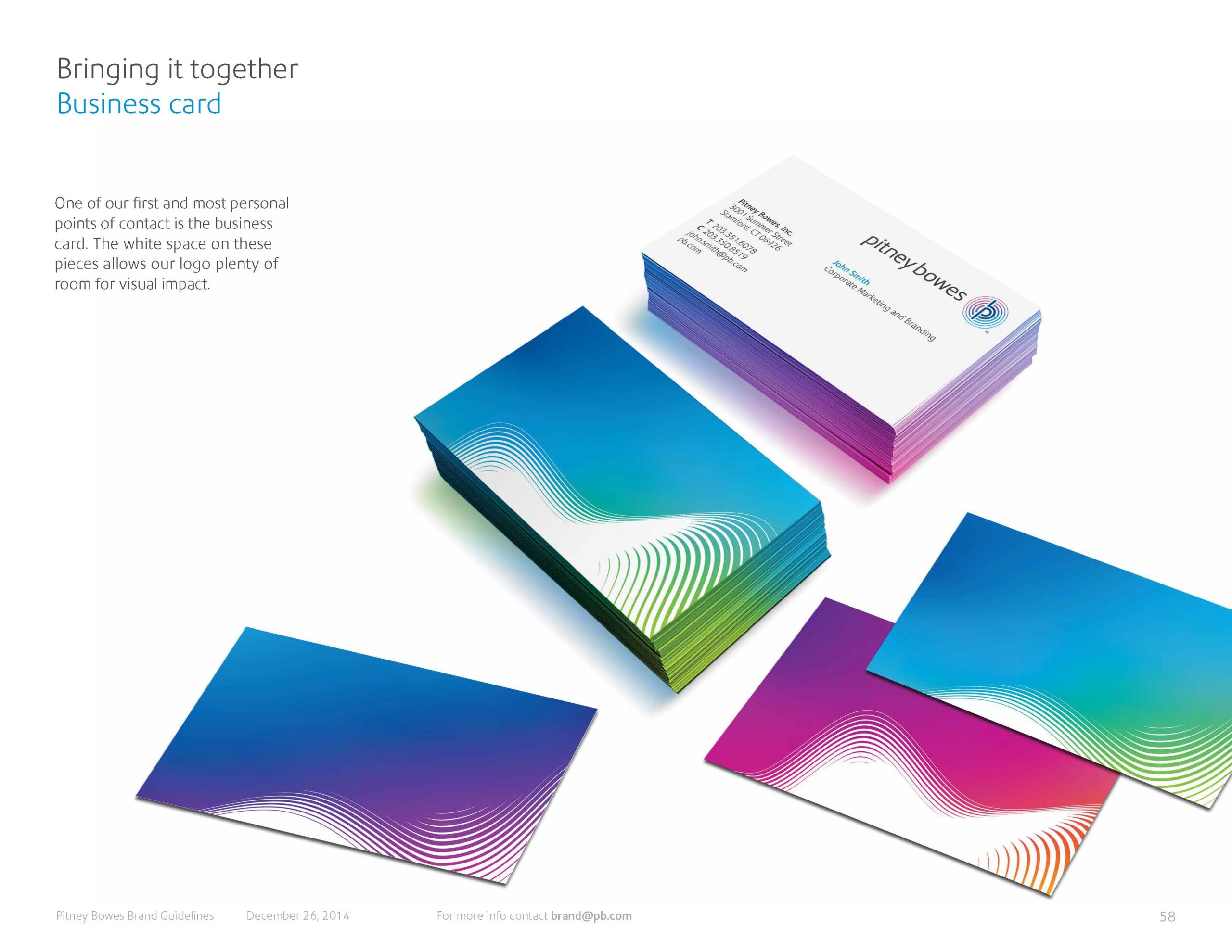
Print & Publishing Collateral Standards
Establishing precise publishing grids, paper stocks, and print production specs.
Print Production Rules
Defined CMYK color conversion tables (reconciling digital RGB gradients for press), paper stock weight specs, ink density limits, and specialty finish guidelines.
Layout & Grid Systems
Unified margin, column, and typographic grid structures for corporate multi-page publications.
Production Deliverables
Multi-page sales brochures, whitepapers, executive reports, product spec sheets, and corporate marketing collateral.

3.
Physical, Environmental & Hardware Identity Systems
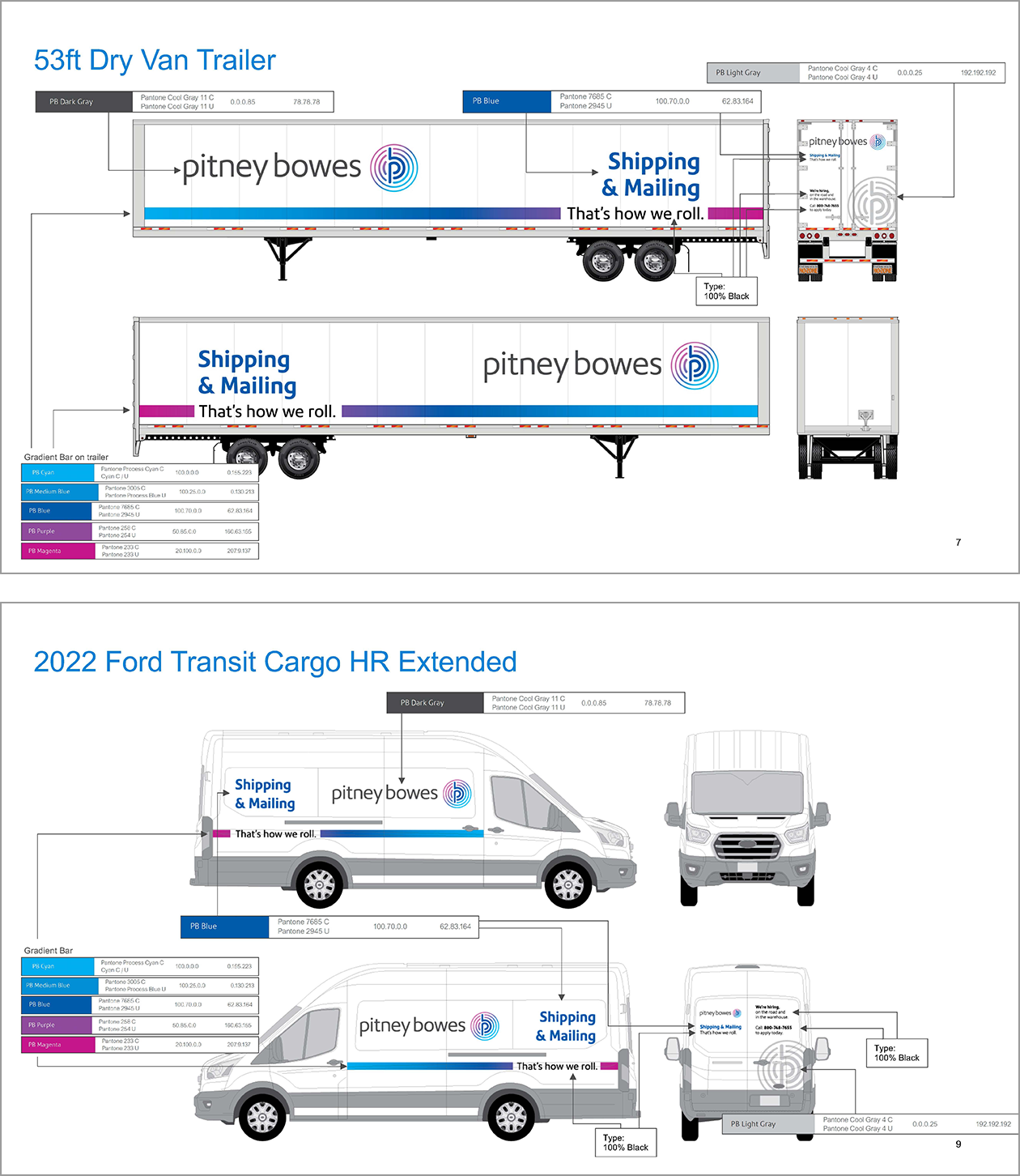
Hardware & Fleet Production Direction & Standards
Executive Creative Direction for Physical Assets
Spearheaded the creative direction, brand governance, and production standards for all enterprise physical touchpoints, transitioning legacy applications into high-durability, permanent brand finishes.
Nationwide Fleet Governance (550+ Vehicles)
Directed the visual identity and structural design application across Pitney Bowes’ entire nationwide fleet of 550+ commercial power vehicles—including vans, straight trucks, and tractors—establishing strict color consistency, scale-adaptive graphics, and permanent surface application rules across varying chassis sizes and vehicle types.
Parcel Infrastructure Rollout (Smart Lockers)
Led the design direction and production governance for permanent visual branding on the Pitney Bowes Smart Locker parcel hardware fleet, establishing spatial grid systems, precision placement, and extreme-wear durability standards.

Spatial Grid Systems & Environmental Architecture
Scale-Adaptive Layout Frameworks
Directed the creation of scale-adaptive layout systems built to maintain visual harmony and brand impact across dramatically different physical scales—from localized smart locker units to 550+ heavy commercial power vehicles and large-format environments.
Trade Show & Architectural Environments
Provided creative direction for modular international trade show booth packages, wayfinding systems, and architectural spatial guidelines deployed across global event environments.
4.
Social Media Campaign Kits & Feed Standards
Scaling brand recognition across high-frequency organic and paid digital channels.
Feed Governance
Formatted color chords, typography contrast rules, and Digital Impact Motif placements tailored to 1:1 square, 4:5 vertical, and 16:9 landscape feed ratios.
Production Deliverables
Turn-key campaign kits, animated social cards, carousel templates, and executive thought-leadership layouts for LinkedIn, X (Twitter), and Facebook.

5.
Marketing Automation & Data Visualization
Standardizing sales enablement and data-driven visual storytelling.
Email Design Grids
Modular Salesforce Marketing Cloud email templates standardized around 600×150 header ratios and mobile-responsive layout blocks.
Data Visualization System
Custom iconography libraries and structured infographic layouts (from narrative hook to legal attribution footers).
Production Deliverables
B2B sales enablement decks, infographic whitepapers, and multi-touch automated email assets.
6.
Brand Enablement, AI Scaling & Self-Service Ecosystem
Empowering non-designers to produce compliant assets without studio intervention.
Tiered Production Pathways
Established clear production routing to protect studio bandwidth while ensuring brand compliance across all tiers of requestors.
AI Video Generation (Lumen5)
Deployed AI-driven text-to-video generation workflows calibrated to Pitney Bowes brand rules, enabling non-video teams to convert script/article drafts into brand-compliant video assets in minutes.
AI-Assisted Asset Production
Integrated prompt frameworks and generative image/graphic guardrails into internal design workflows to accelerate background generation, retouching, and variant resizing.
Production Deliverables
Pre-approved Canva and PowerPoint presentation templates, AI-powered Lumen5 video suites, and an AlphaGraphics web-to-print portal for customized physical collateral.


Part 2: Operational Engine & Capacity Strategy
Strategic Positioning From “Creative Services” to “PB Creative Studio”
Cultural & Perception Shift
Shifted internal stakeholder perception away from a legacy “Creative Services” ticketing desk toward an authoritative, cross-functional partner: Pitney Bowes Creative Studio.
Proactive Brand Partnership
Elevated the team’s role from tactical asset fulfillment to proactive strategic consultation, embedding creative leads directly into early campaign briefing and product planning stages.
Strategic Prioritization & Capacity Management (70/20/10 Framework)
70% Revenue-Driving Initiatives
Concentrated core studio firepower directly on commercial GTM campaigns, e-commerce UX, and product marketing.
20% Operational & Business Unit Needs
Allocated dedicated capacity for essential organizational and cross-functional enablement programs.
10% Executive & Special Projects
Maintained an agile reserve for high-visibility enterprise priorities and leadership initiatives.
Agile Operations & Project Management Integration
Cross-Functional Agile Teams
Integrated two legacy teams into project-based units operating under core principles: Agility, Autonomy, Cross-Functionality, Collaboration, Innovation, and Continuous Learning.
PM Stack Integration
Reconciled technical web workflows in Jira with creative pipelines in Workamajig into a single intake engine with automated brand-compliance review steps.
Empathetic Change Management
Built trust across merged teams by auditing friction points and solving operational bottlenecks first, creating a unified studio culture.
Operational Impact & Results
Global Design System Implementation
Established worldwide standards for responsive web forms and digital components, aligning software and web touchpoints across global product lines.
100% Global Brand Compliance
Enforced complete visual, voice, motion, print, environmental, hardware (Smart Lockers), and digital alignment across touchpoints worldwide.
Elevated Studio Authority
Successfully repositioned the team from a back-office service group to the Pitney Bowes Creative Studio, establishing executive-level partnership across global business units.
Unified Two-Team Powerhouse
Successfully combined distinct legacy working groups into a single, high-trust studio operating with zero single-point dependencies.
Exponential Production Scale via AI & Self-Service
Accelerated turnaround times on high-volume asset variants and video content by deploying AI generation tools (Lumen5) and self-service templates across global marketing teams.
Scalable Production Guardrails
Offloaded routine, low-complexity asset production to self-service portals, keeping 90% of core studio capacity focused on commercial priorities.
Elimination of Production Bottlenecks
Unified project management stacks (Jira & Workamajig) and cross-trained creative teams to ensure continuous asset delivery.